
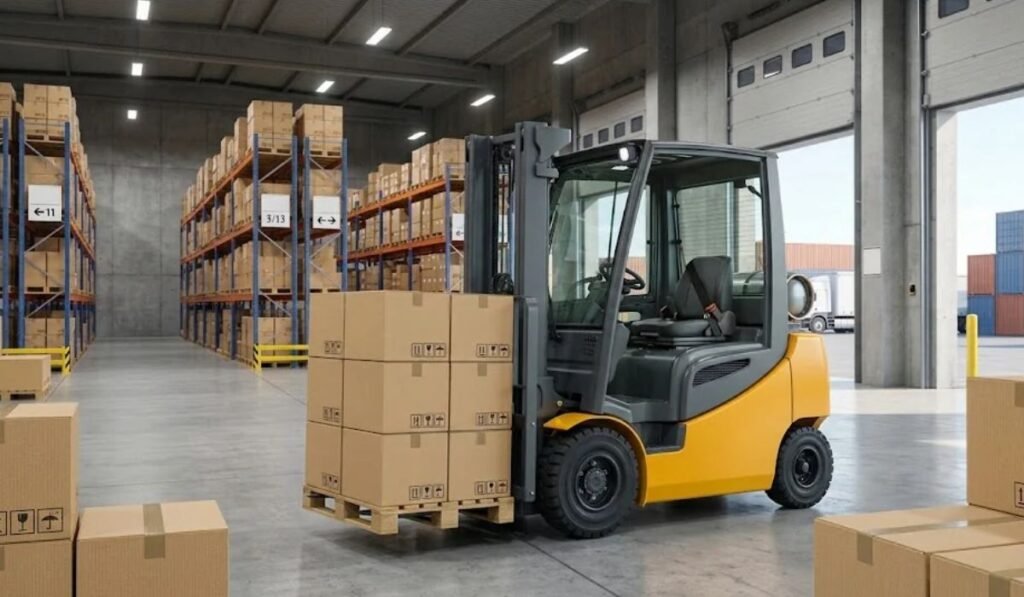

Emissions have become a standing agenda item for operations running internal combustion equipment. Environmental reporting obligations keep expanding, customers are asking harder questions about supply chain footprints, and site managers are under real pressure to show measurable progress. At the same time, plenty of applications still genuinely need engine power, and those operations can’t simply trade performance away just to tick an environmental box.
The useful news here is that the choice is no longer binary. A modern engine forklift is a substantially cleaner machine than the units it’s replacing, and the emissions gap between an old engine fleet and a current one tends to be larger than most managers expect going in. Understanding exactly where those gains come from is what lets fleet decision-makers cut emissions meaningfully while still keeping the power their duty cycle genuinely demands.
Why Engine Power Still Has a Place
Electric forklifts have earned their dominance indoors, and fairly so, but the applications that stay with engine power tend to stay for defensible reasons. Outdoor yards with rough or uneven surfaces, long multi-shift rosters without convenient charging windows, ramp work under sustained load, and remote sites without the electrical infrastructure to support fleet charging all favour the refuelling speed and sustained output an internal combustion machine delivers.
For these operations, the practical question was never whether to run an engine forklift, but how to run one with the smallest emissions footprint the technology actually allows. That’s where the last two decades of engine development have quietly reshaped the equation.
How Modern Engine Technology Has Closed the Gap
The engines fitted to current forklifts aren’t the engines of the past wearing a new badge. Several layers of development have genuinely reduced what comes out of the exhaust:
- Cleaner combustion management. Electronic engine management continuously adjusts fuelling and ignition to keep combustion efficient across the load range, rather than running rich under load the way older mechanically governed engines did.
- Exhaust after-treatment. Modern emission control systems treat exhaust gases before they leave the machine, substantially cutting the pollutants associated with older, untreated engines.
- Load-sensing hydraulics and transmissions. Newer drivelines waste less of the engine’s output, which means the engine works less to move the same load, burning less fuel in the process.
- Idle management. Automatic idle shutdown and reduced idle speeds address one of the largest hidden sources of fleet emissions, the hours a machine spends running while doing nothing at all.
The combined effect is straightforward enough to state plainly: a current engine forklift can deliver the same working performance as an older unit while producing meaningfully lower emissions per hour of operation.
Fuel Choice as an Emissions Lever
Fuel selection remains one of the clearest levers available to any fleet manager. LPG engines burn cleaner than older diesel units and suit operations that move between indoor and outdoor work through the day. Modern diesel engines with current emission control systems suit sustained heavy outdoor duty better. The right answer depends on the duty cycle, the working environment and the site’s ventilation conditions, which is exactly why fuel type deserves a deliberate assessment rather than a default repeat of whatever was bought last time.
Operations reviewing their options should also ask suppliers directly what engine generation and emission technology a proposed machine actually carries. Two machines that look identical on a spec sheet can sit a full generation apart in real emissions performance.
Operating Practices That Compound the Gains
Machine technology sets the ceiling, but day-to-day practice is what determines how much of that potential an operation actually captures:
- Maintenance discipline. A poorly maintained engine emits more, plainly and simply. Clean air filters, healthy fuel systems and correctly serviced emission control components keep a machine operating as it was designed to.
- Right-sizing the fleet. Machines larger than the task requires burn more fuel per pallet moved. Matching machine to task trims consumption across the whole fleet, not just the one unit.
- Operator behaviour. Smooth acceleration, sensible travel speeds and switching off rather than idling between tasks all reduce fuel burn without touching productivity at all.
- Telematics visibility. Fleet management data shows exactly where idle time, underutilisation and excessive fuel burn are actually occurring, turning emissions reduction from guesswork into a genuinely managed programme.
Where Emissions Fit in Fleet Renewal
For most operations, the single largest emissions decision is simply the age of the fleet itself. Holding old engine equipment past its economic life locks in the emissions profile of a previous generation, whether anyone intends that or not. Bringing fleet renewal forward, even by a single cycle, replaces that profile with current technology across every hour the machine works from that point on.
Suppliers with real engineering depth can model this properly before a decision gets made. Toyota Material Handling Australia, for example, assesses duty cycles across fuel types and machine generations as part of fleet planning, so that an operation choosing an engine forklift does so with a clear picture of both the performance and the emissions consequences of the specification in front of them.
Cleaner Heavy Work Is an Achievable Standard
Operations that need engine power don’t need to apologise for it, but they do need to manage it properly. Current engine technology, a considered fuel choice, disciplined maintenance and honest fleet renewal timing together deliver emissions reductions that would have looked unrealistic a generation ago, with no compromise on the power that keeps heavy work actually moving. For fleet managers planning their next review, that combination is genuinely worth putting on the table.